What to Do Immediately After Discovering a Leak Following a Snowstorm
- A.Tullock

- Feb 26
- 3 min read
Snowstorms can create beautiful winter scenes, but they also bring hidden risks to your home. One of the most urgent problems after a heavy snowstorm is discovering a leak. Water intrusion can cause serious damage to your property if not handled quickly and correctly. Knowing what steps to take right after finding a leak can save you time, money, and stress.
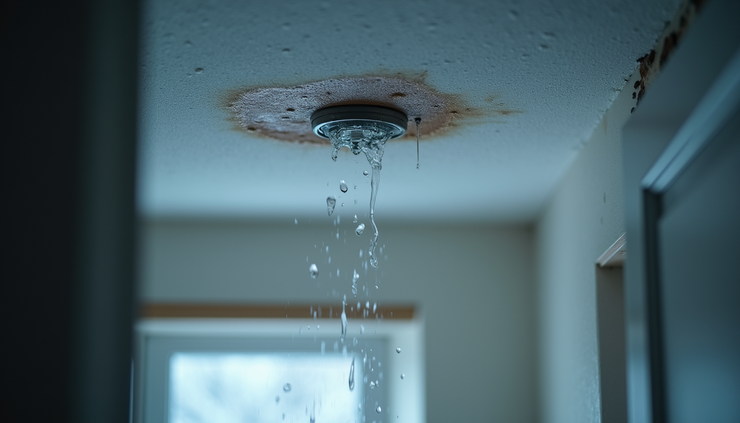
Check the Source of the Leak
The first step is to identify where the water is coming from. Common sources after a snowstorm include:
Roof damage caused by ice dams or heavy snow buildup
Cracks or gaps around windows and doors
Burst or frozen pipes inside walls or basements
Blocked gutters causing overflow
Look for visible signs such as wet spots, stains, or dripping water. If the leak is inside the house, check the attic, ceilings, and walls near the roofline. Outside, inspect the roof and gutters carefully once it is safe to do so.
Stop the Water Flow if Possible
If you can safely access the source of the leak, try to stop or reduce the water flow. For example:
Clear ice dams or snow buildup on the roof edges using a roof rake
Use towels or plastic sheeting to block water entry points temporarily
Shut off the main water supply if you suspect a burst pipe
Avoid climbing on icy roofs or attempting repairs in unsafe conditions. If the leak is severe or you cannot stop it yourself, call a professional immediately.
Protect Your Home’s Interior
Water can quickly damage floors, furniture, and electrical systems. Take these steps to minimize damage:
Move furniture, rugs, and valuables away from the leak area
Place buckets or containers under dripping spots to catch water
Use towels or mops to soak up standing water
Turn off electricity in affected rooms if water is near outlets or appliances
If water has soaked into carpets or drywall, drying the area quickly is essential to prevent mold growth.
Document the Damage for Insurance
Take clear photos and videos of the leak and any damage it causes. This documentation will be useful when filing an insurance claim. Include:
Close-ups of water stains, drips, and damaged materials
Wide shots showing the extent of the affected area
Any visible damage to the roof, gutters, or pipes
Keep records of any repair estimates or professional inspections as well.

Call a Professional for Repairs
Leaks after snowstorms often require expert help. Contact a licensed plumber, roofer, or water damage restoration specialist depending on the source of the leak. Professionals can:
Identify hidden damage behind walls or ceilings
Repair or replace damaged roofing, gutters, or pipes
Dry out affected areas using specialized equipment
Prevent mold and structural issues from developing
Acting quickly reduces the risk of long-term damage and costly repairs.
Prevent Future Leaks
Once the immediate leak is fixed, take steps to protect your home from future snowstorm damage:
Inspect and maintain your roof regularly, especially before winter
Install heat cables or improve attic insulation to prevent ice dams
Clean gutters and downspouts to ensure proper drainage
Insulate pipes and seal gaps around windows and doors
Consider professional winterizing services for your home
These measures help reduce the chance of leaks and keep your home safe during harsh weather.


Comments